Cyber Liability Insurance for Dealerships
Breach-response and liability coverage for the sensitive customer finance data stored in your DMS — plus FTC Safeguards Rule exposure.
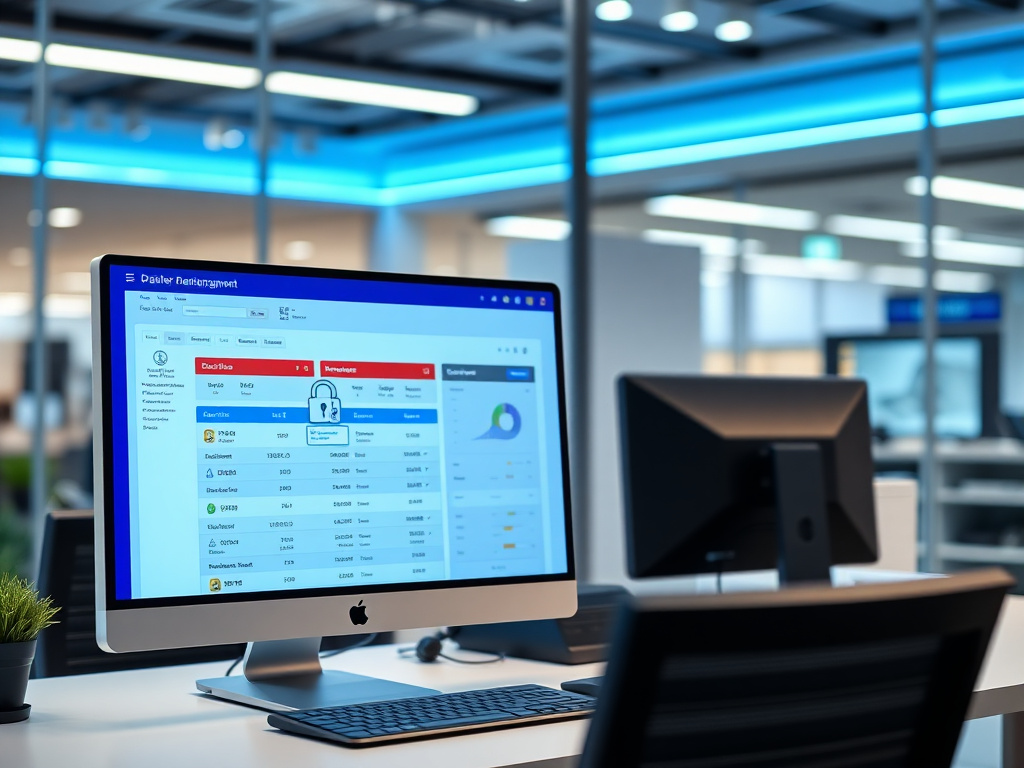
A modern dealership is a data business as much as a car business. Your dealer management system (DMS) holds exactly the information criminals want: names, addresses, Social Security numbers, driver's licenses, and full credit applications for every customer you've financed. That concentration of sensitive financial data makes dealerships a top target for ransomware and data theft — and it puts you squarely under the FTC Safeguards Rule, which now requires auto dealers to maintain a written information-security program.
Cyber liability insurance covers the cost of responding to a breach and the liability that follows. A single ransomware event can shut down your DMS, halt sales and service, expose thousands of customer records, and trigger notification obligations in every affected state. Cyber coverage is what funds the response and defends the claims.
What it covers
- Breach response — forensics, notification, and credit monitoring
- Ransomware and cyber-extortion costs
- Business interruption from a DMS or network outage
- Third-party liability for exposed customer data
- Regulatory defense, including FTC Safeguards exposure
- Funds-transfer fraud and social-engineering loss (where included)
The FTC Safeguards Rule and why dealers are exposed
The FTC's amended Safeguards Rule treats auto dealers as 'financial institutions' because they arrange consumer financing. That means dealers are legally required to maintain a written information-security program with specific controls — access management, encryption, monitoring, a designated qualified individual, and vendor oversight. Failing to meet these obligations creates regulatory exposure entirely apart from any actual breach.
Cyber liability coverage typically includes regulatory defense and can help fund the response when a dealership faces scrutiny after an incident. It doesn't replace having a compliant security program — but it's the financial backstop when something goes wrong despite your controls.
What a dealership cyber claim actually looks like
The most common serious event is ransomware: an employee clicks a malicious link, the DMS locks up, and the dealership can't cut deals, order parts, or run service until it's resolved. Cyber coverage pays for the forensic investigation, the negotiation and (where appropriate) the extortion payment, the cost of restoring systems, and the lost income while you're down.
The second major event is a data breach exposing customer PII, which triggers state notification laws, credit-monitoring offers, and potential class-action liability. Both are expensive, and both are covered under a well-structured cyber policy.
- Ransomware lockout of the DMS and business interruption
- Customer PII breach with multi-state notification duties
- Funds-transfer fraud via spoofed wire instructions
- Regulatory inquiry under the Safeguards Rule
First-party vs. third-party cyber coverage
Cyber policies split into first-party coverage (your own costs — forensics, restoration, lost income, extortion) and third-party coverage (your liability to others whose data was exposed, plus regulatory defense). Dealerships need both. We compare policy forms on the details that matter for dealers — social-engineering sublimits, business-interruption waiting periods, and whether Safeguards-related regulatory costs are covered — rather than treating cyber as a checkbox.
Who needs this coverage
- Every dealership storing customer data in a DMS
- Dealers subject to the FTC Safeguards Rule
- Buy-here-pay-here dealers holding credit files
- Franchise dealers with large customer databases
- Any dealer taking online credit applications
What drives your cost
Cyber Liability questions, answered
Because your DMS holds highly sensitive customer financial data — SSNs, credit applications, driver's licenses — that makes dealerships a prime ransomware and data-theft target. Cyber insurance pays for breach response, business interruption, and the liability and regulatory exposure that follow an incident.
Cyber policies typically include regulatory defense coverage that can respond to Safeguards-related inquiries and claims. It does not replace maintaining a compliant written information-security program, but it's the financial backstop if you face regulatory action after an incident.
Yes — ransomware is a core covered event on most cyber policies, including forensic investigation, negotiation, system restoration, and the business income you lose while your DMS is down. Ransomware sublimits and waiting periods vary by form, which is why we compare policies closely.
Yes. Even a small lot that takes credit applications stores exactly the data criminals want and falls under the FTC Safeguards Rule. Smaller dealers are often targeted precisely because their defenses are lighter, and a single breach can be financially devastating.
Related coverages
Placing cyber liability through a dealer specialist
Cyber Liability rarely sits in isolation — it works alongside the rest of your dealer program, and getting the coordination right is where a specialist matters. As a Contractors Choice Agency program focused entirely on auto dealers, we structure your cyber liability so it lines up cleanly with your garage liability, your inventory coverage, and any umbrella above it — no overlapping premium you pay twice for, and no gap where a loss could fall between policies.
We shop your risk to A-rated carriers that genuinely want dealer business, present your operation in the best possible light to earn better pricing, and stay in your corner at renewal and at claim time. Whether you run a single independent lot or a multi-rooftop franchise group, in any of the 50 states, we'll right-size this coverage to how you actually operate rather than handing you a generic quote.
Tell us about your lot
Dealer type, inventory, and the coverages you need — by form or a quick call.
We build the program
We structure cyber liability and the rest of your account with the right carriers.
Bind and get certs
Review, bind, and receive the certificates your board, lender, and manufacturer require.
Ready to quote cyber liability?
Tell us about your dealership and we'll build a program that fits how you actually operate — often with same-day turnaround.