Dealers Open Lot Limits & Deductibles: Insuring Inventory Against Hail and Theft
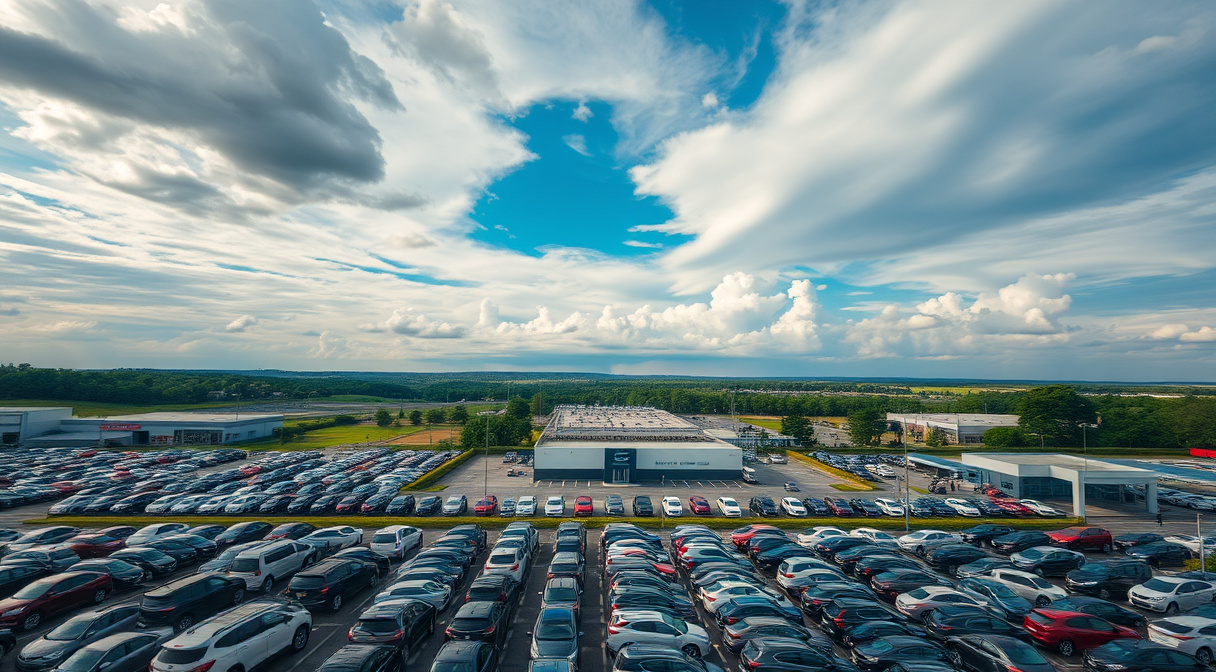
For most dealers, the single largest asset on the books is the inventory sitting on the lot — and the single most common large loss is a hailstorm rolling through overnight. Dealers open lot coverage protects that inventory against physical damage, but how you structure the limit and the deductible determines whether a bad weather event is a manageable claim or a business-ending one. Here's how to set both correctly.
Setting your open lot limit
Open lot coverage is written to a maximum inventory value — the most vehicle value you expect to have on the lot at any one time. Because inventory rises and falls seasonally, most programs use a 'reporting' form: you (or your floor-plan lender) report inventory value periodically and premium adjusts to match, so you're not overpaying in slow months or underinsured at peak.
The mistake to avoid is setting the limit to your average rather than your peak. If your lot value climbs to $2.4 million during a seasonal build-up but you insured to $1.5 million, a total loss leaves you badly short — and can trigger coinsurance penalties that reduce every partial claim, too. Insure to your true peak.
The deductible that actually matters: per-occurrence vs. per-vehicle
This is the concept that separates a well-structured open lot policy from a dangerous one. There are two kinds of deductible in play:
- Per-vehicle deductible — applies to each damaged vehicle individually.
- Per-occurrence (catastrophe) deductible — a single deductible cap for one event, no matter how many vehicles it damages.
Picture a hailstorm that dents 60 cars on your lot. If your policy carried only a per-vehicle deductible of $1,000, you could owe it 60 times — $60,000 out of pocket on one storm. A well-built dealer program caps weather and other catastrophe losses with a single per-occurrence deductible, so that same storm costs you one deductible, not sixty.
Named-peril vs. comprehensive coverage
Open lot can be written on a named-peril basis (it lists exactly what's covered — theft, fire, wind, hail) or on a broader comprehensive/special form that also picks up collision and a wider range of causes of loss. Comprehensive is the stronger choice for most dealers; the right answer depends on your risk appetite, your lender's requirements, and your budget.
Weather, theft, and geography
Hail is the number-one open-lot loss across much of the country, and it's getting more expensive as vehicles carry more sensors, cameras, and painted plastics. Flood is the number-two catastrophe exposure for lots in low-lying areas, and theft is a constant. Your geography should shape your structure: a lot in a hail-prone or flood-prone area needs its deductible and limit built differently than one that isn't. Security investments — fencing, lighting, cameras, gated storage — reduce theft-driven premium and, just as importantly, reduce losses.
Getting it right
Open lot isn't a checkbox — it's the coverage protecting your biggest asset against your most likely large loss. Size the limit to your peak, insist on a per-occurrence catastrophe deductible, choose comprehensive form where it fits, and structure it around your actual geography. If you're not sure how your current open lot policy is built, we'll review it and show you where the exposure is hiding.
Frequently asked questions
Yes — hail is one of the primary covered perils on an open lot policy and the most common lot loss in many regions. How your per-occurrence catastrophe deductible is structured determines how much of a multi-vehicle hail event you retain.
It's a single per-occurrence deductible that caps your out-of-pocket cost for one event — like a hailstorm — no matter how many vehicles are damaged. Without it, a per-vehicle deductible could apply dozens of times in a single storm.
Ready for a real quote?
Tell us about your dealership and we'll build a program that fits — often same day.